
 English



Daily Wear
The Role of Fabric in All-Day Denim Comfort
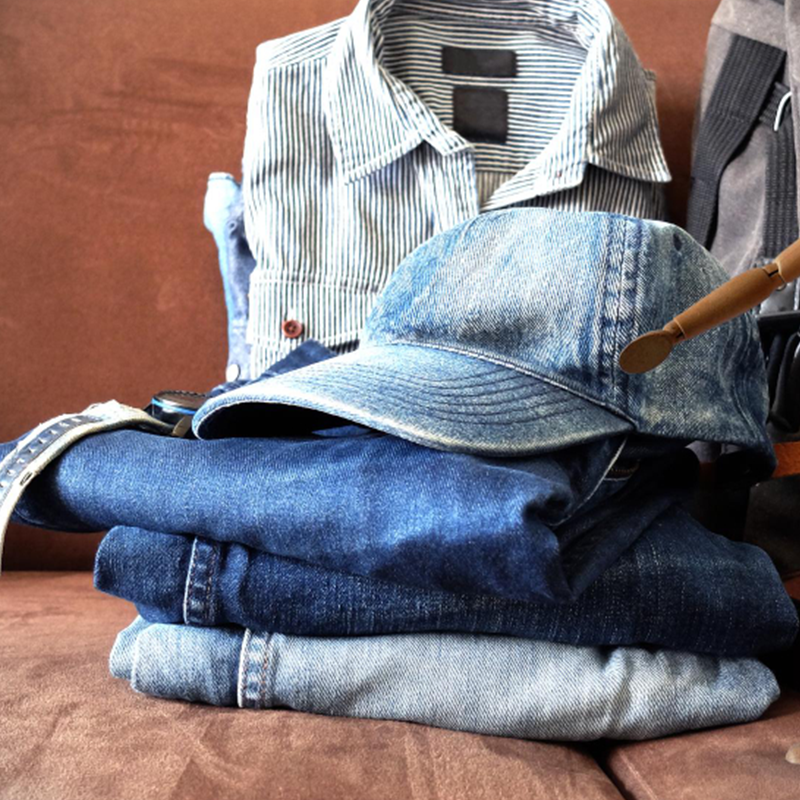
Denim is admired for its durability and timeless style, but true satisfaction comes from how comfortable it feels throughout the day. From long hours of sitting to constant walking and everyday movement, jeans are expected to adapt without becoming restrictive. The secret to this all-day comfort lies in the fabric itself. The way denim responds to motion, pressure, and extended wear determines whether jeans feel supportive or tiring by the end of the day.
Denim as a Responsive Fabric
Denim behaves like a living material that adjusts with use. When jeans are first worn, the fibers are compact and firm, creating a structured feel. As time passes, movement and body warmth encourage the fabric to relax. This natural adjustment allows denim to shape itself gently to the wearer, improving comfort without losing its form.
This responsiveness is what makes well-made jeans suitable for long days. Instead of resisting motion, the fabric gradually aligns with the body’s natural movements.
Comfort While Sitting for Long Hours
Sitting places repeated pressure on areas like the waist, hips, and thighs. Quality denim adapts by allowing controlled expansion in these zones. Fabrics designed for daily wear soften slightly during prolonged sitting, preventing stiffness and discomfort.
Denim with balanced flexibility reduces tightness without feeling loose. This is especially important for extended work hours or travel, where comfort must be maintained without constant adjustment.
How Denim Supports Walking and Motion
Walking causes denim to bend and stretch at the knees, thighs, and seat. Each step activates the fabric, encouraging it to move in sync with the body. Jeans that are thoughtfully constructed allow smooth leg movement, preventing resistance during daily activity.
As walking continues throughout the day, denim becomes more accommodating. This gradual ease is why jeans often feel more comfortable in the afternoon than they did in the morning.
Long Wear and Fabric Endurance
All-day wear tests how well denim handles repeated motion. Fabrics that stretch excessively may lose structure, while rigid materials may cause discomfort. High-quality denim balances strength with adaptability, allowing it to stretch slightly and recover its shape.
Over long hours, the fibers soften subtly, reducing friction against the skin. This change plays a major role in maintaining comfort without compromising durability.
Body Heat and Fabric Adaptation
Body temperature directly affects how denim feels. As warmth builds, the fibers become more pliable, helping the fabric respond better to movement. This makes jeans feel more relaxed as the day progresses.
In cooler conditions, denim may feel firmer again, but the overall comfort remains influenced by earlier movement and shaping. This ongoing interaction explains why denim comfort shifts throughout the day.
Pressure Points and Daily Wear Patterns
Certain areas of jeans experience more stress during daily wear. Knees, waistbands, and inner thighs are constantly engaged. Comfortable denim distributes pressure evenly, allowing these areas to relax rather than tighten.
Over time, the fabric adapts to these patterns, making jeans feel more personalized and easier to wear for extended periods.
Final Thoughts
Denim comfort is shaped by how fabric responds to sitting, walking, and long hours of use. Through movement, warmth, and time, denim evolves from structured to supportive. When the fabric is carefully designed, jeans don’t simply endure daily wear—they adapt to it, offering reliable comfort from morning to night.
Categories
-
 Women
65
Women
65
-
 Bottom Wear
59
Bottom Wear
59
-
 Western Wear
39
Western Wear
39
-
 Maternity Wear
10
Maternity Wear
10
-
 Women's Inners
50
Women's Inners
50
-
 Men's
68
Men's
68
-
 Men Traditional Wear
20
Men Traditional Wear
20
-
 Men Western Wear
30
Men Western Wear
30
-
 Men Inners
48
Men Inners
48
Trending Now
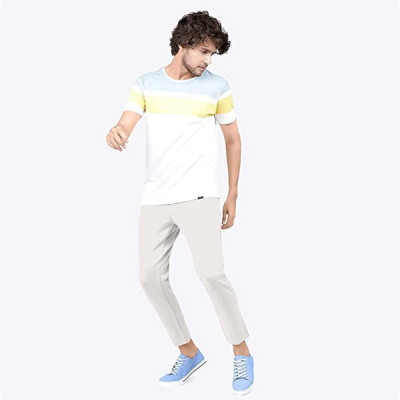
Men's Slim Fit Formal Trousers/Pant
Rs.543.00
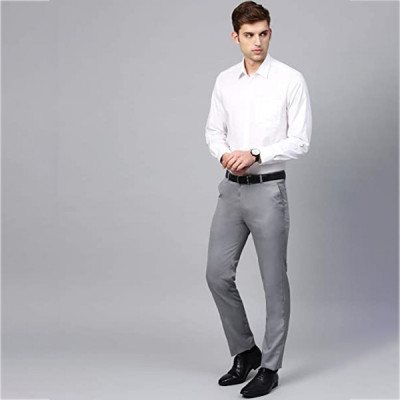
Men's Slim Fit Formal Trousers
Rs.707.00
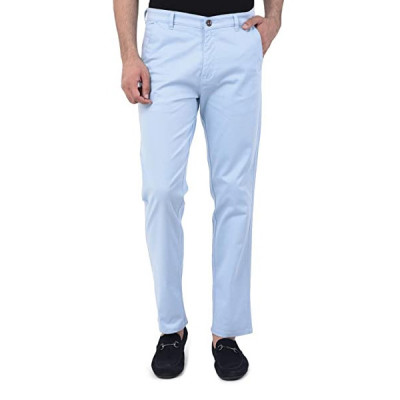
Men's Regular Fit Pants
Rs.544.00
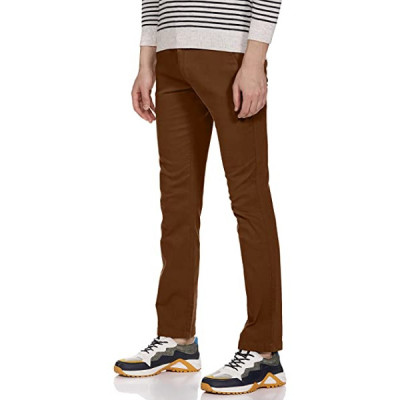
Men's Slim Casual Trouser
Rs.800.00